

AI Research Tool Review: Sources, Citations, Summaries and Reliability
An AI research tool review guide covering source quality, citations, summarization, hallucination risk, document handling, freshness, exports and verification.
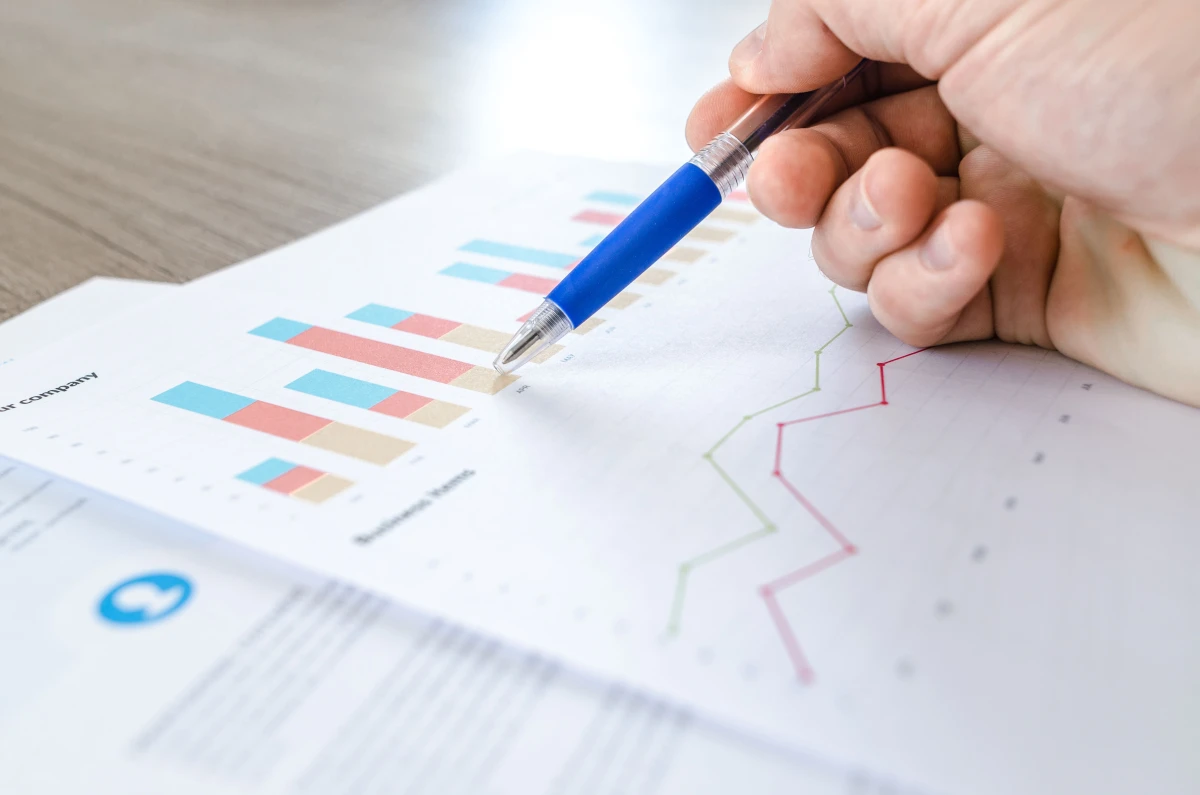
Research tools must show evidence
AI research tools can summarize articles, compare documents, search information and prepare reports. The quality of a research tool depends on evidence. A polished answer without sources is not enough for business, finance, legal, technical or strategic decisions.
Review whether the tool helps you inspect evidence faster. It should make sources easier to understand, not hide weak claims behind confident writing.
Citation accuracy
A citation should support the exact claim near it. Some tools attach sources loosely, which creates false trust. During review, click citations and check whether the source really says what the answer claims. This single test reveals a lot about reliability.
| Research factor | Review test | Risk |
|---|---|---|
| Sources | Visible and relevant | Unsupported claims |
| Freshness | Current when needed | Outdated answer |
| Summary | Preserves meaning | Oversimplification |
| Conflict | Handles disagreement | One-sided report |
| Files | Reads long documents | Missed clauses |
| Export | Shares evidence | Manual rework |
Hallucination checks
Ask known questions, obscure questions and questions with no clear answer. A reliable research tool should avoid fake facts and admit uncertainty. If it invents references, numbers or official-sounding statements, it should not be trusted for serious work.
Document handling
If the tool reads PDFs, transcripts or reports, test tables, footnotes, charts and long sections. One missed clause can change the meaning of a contract, policy or research report. Document handling should be judged carefully.
Freshness matters
For technology, regulations, products, markets and news, outdated information can mislead decisions. Review whether the tool can access current sources or whether it depends on older knowledge. The need for freshness depends on the topic.
Research workflow
A strong research workflow includes notes, citations, export, comparison and human verification. The final report should show what is known, what is uncertain and where the evidence comes from.
Businesses that publish research-heavy content, reports or knowledge bases can build structured websites and internal tools through Indian Web Services services.
Research review checklist
- Check source visibility.
- Verify citations.
- Test known facts.
- Look for uncertainty handling.
- Review document accuracy.
- Check freshness.
- Export findings.
- Keep human verification.
Final lesson
A reliable AI research tool makes evidence easier to inspect. It should not replace source checking for important claims.
Use a citation spot-check. Pick five important claims and open the sources. If the sources do not directly support the claims, the tool should not be used for final research without deeper review.
Test an old topic and a fast-changing topic. This shows whether the tool knows when freshness matters. A timeless explanation and a current market update require different evidence standards.
Review how it handles disagreement. Good research tools should compare sources, show uncertainty and avoid forcing one clean answer when the evidence is mixed.
Evidence grading
Not all sources deserve equal trust. During review, classify sources as official, primary, expert, media summary, vendor content, forum discussion, or unknown. The tool should help separate strong evidence from weak signals. A report based on poor sources can look professional but mislead decisions.
Ask the research tool to compare two conflicting sources. A reliable assistant should explain the disagreement and show why one source may be more relevant, newer, or authoritative.
Summary risk
Summaries can remove details that matter. For contracts, policies, financial reports, or technical papers, one sentence omitted from a long section may change the conclusion. Review long-document summaries against the original before using them for decisions.
Research tools are best used as reading accelerators. They should not replace verification when the result affects money, compliance, product direction, or public claims.
Verification routine
Build a verification routine for every research output. Important claims should be marked as verified, needs review or unsupported. This habit prevents attractive reports from being treated as facts when the evidence is weak.
The tool should also preserve source dates. A regulation page, product feature, market statistic or technology benchmark can become outdated. Date awareness helps the reader decide whether fresh checking is needed.
Ask for an uncertainty section in every research output. It should show what needs fresher evidence, expert review or source confirmation.
Compare summaries against the longest source in the set. Long documents are where important details are easiest to lose.
Keep a claim tracker for final reports. Each important statement should have a source, date and verification status.
Test whether the tool separates vendor claims from independent analysis. Product pages often sound authoritative but may be biased.
Review whether the tool can preserve exact definitions. Small wording changes in policy, finance or technical material can change meaning.
Reliability note: the research assistant is most useful when it speeds up reading while keeping the human reviewer close to the source material.
Research teams should decide which topics require primary sources only. Product claims, compliance rules, financial facts and technical standards often need original documents rather than summaries. The tool should support stricter source discipline when the decision carries higher risk.
For research assistants, use a three-level confidence label on important outputs. High confidence means primary sources match the claim. Medium confidence means reliable secondary sources agree but primary proof is absent. Low confidence means the claim is useful for exploration only. This labeling system keeps research honest when evidence quality varies.
For market or competitor research, ask the tool to identify missing evidence. A useful assistant should say when pricing is unclear, when product claims are vendor-written, or when the available sources do not support a strong conclusion.
What's Your Reaction?
 Like
0
Like
0
 Dislike
0
Dislike
0
 Love
0
Love
0
 Funny
0
Funny
0
 Wow
0
Wow
0
 Sad
0
Sad
0
 Angry
0
Angry
0







Comments (0)