

Investment Research Checklist: What to Check Before Putting Money Anywhere
A practical investment research checklist covering product understanding, risk, liquidity, cost, source quality, position sizing and review triggers.
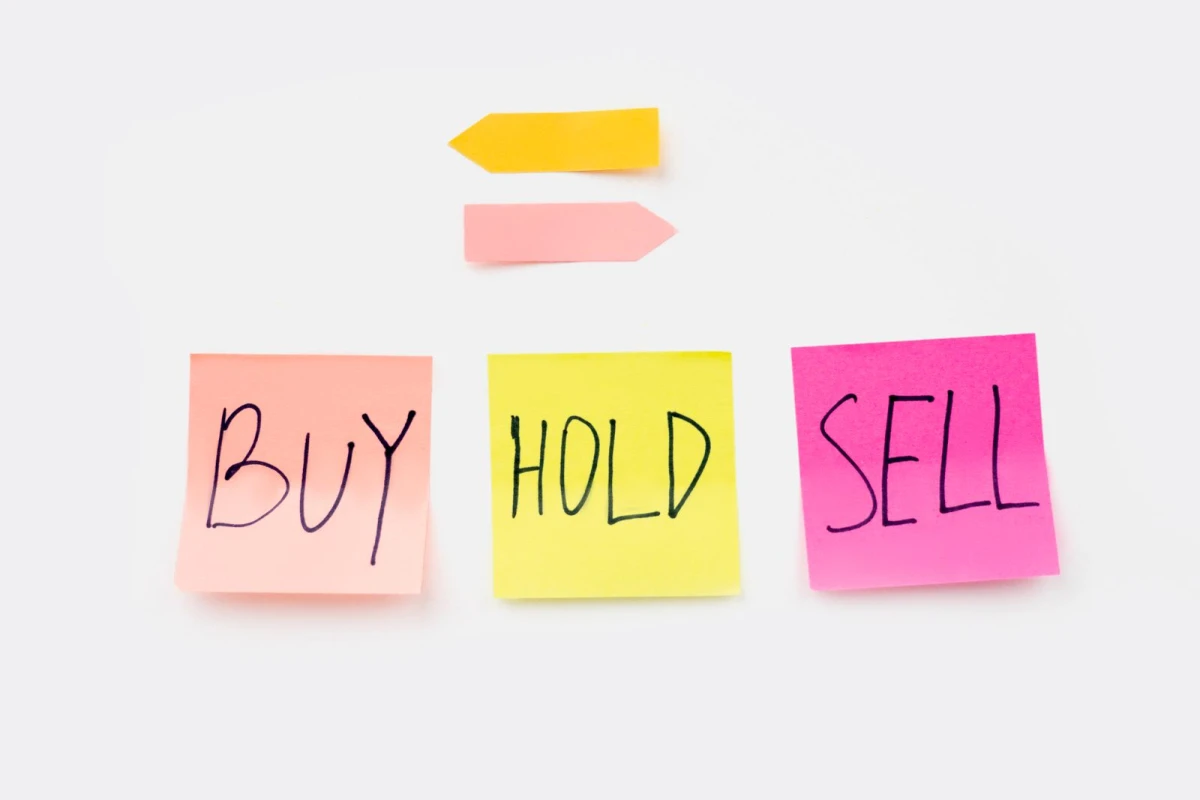
Research protects investors from blind decisions
Investment research does not mean predicting the future perfectly. It means understanding what you are buying, why you are buying it, what can go wrong, how long you can hold it and how it fits your goals. Many bad investments happen because people invest first and understand later.
A checklist creates discipline. It slows down emotional decisions and gives the investor a structure before money is committed.
Start with the investment role
Every investment should have a role. Is it for growth, income, stability, diversification, liquidity or speculation? If the role is unclear, the investment may be unnecessary. A portfolio filled with random products becomes hard to track and harder to exit.
| Research question | Why it matters | Action |
|---|---|---|
| What is the goal? | Prevents random buying | Map to goal |
| What is the time horizon? | Controls risk | Match duration |
| What can go wrong? | Shows downside | Assess risk |
| How liquid is it? | Exit planning | Check lock-in |
| What are costs? | Net return impact | Read fees |
| How much to invest? | Position sizing | Limit exposure |
| When to review? | Avoid neglect | Set trigger |
Understand the product
Before investing, understand how the product makes money. For a stock, understand the business. For a mutual fund, understand category, portfolio style and risk. For a debt product, understand credit quality and maturity. For real estate, understand location, liquidity and legal checks. For any product, understand costs and exit rules.
If the investment cannot be explained in simple words, the investor should study more or avoid it.
Check risk before return
Return expectations are attractive, but risk should be reviewed first. What happens if the market falls? What happens if the company performs badly? What happens if interest rates change? What happens if money is needed early? Asking these questions prevents overconfidence.
A good research process includes both positive and negative scenarios.
Avoid source bias
Investors often read only opinions that confirm what they already want to do. This is dangerous. Read different views, check official documents where available and avoid depending only on influencers or messaging groups. A recommendation is not research unless the investor understands it personally.
The person giving a suggestion may have a different risk profile, entry price or agenda.
Position sizing matters
Even after research, do not put too much money into one idea. Research can be wrong. Markets can surprise. Position sizing limits damage. Beginners should be especially careful with concentrated bets, new themes and products they do not fully understand.
Write the reason
Before investing, write the reason, expected holding period, risk, amount and review trigger. This creates a decision record. Later, if the price moves sharply, the investor can review the original reason instead of reacting emotionally.
Finance education websites can use research checklists, comparison tools and portfolio trackers to help users learn responsibly. Such digital systems can be planned through Indian Web Services services.
Research checklist
- Understand the goal.
- Know the product clearly.
- Check risk and liquidity.
- Review costs and taxes.
- Avoid one-source decisions.
- Decide position size.
- Write investment reason.
- Set review trigger before investing.
Final lesson
Investment research does not guarantee profit, but it reduces careless decisions. A checklist helps investors slow down, think clearly and invest with better control.
Check who is explaining the investment
The quality of information matters. A bank employee, distributor, influencer, friend, advisor and company promoter may all explain an investment differently. Some may be helpful, while others may be biased or incomplete. Investors should understand incentives behind the recommendation.
A useful question is: what does this person gain if I invest? This does not mean every recommendation is bad. It means the investor should stay aware.
Avoid pressure-based decisions
Urgency is often used to push weak decisions. Phrases such as limited time, guaranteed opportunity, only today or everyone is entering should make investors slow down. Real investing decisions usually allow time for reading, comparison and thinking.
If an investment cannot survive a night of reflection, it may not deserve money.
Compare alternatives
Before investing, compare with alternatives. If a product offers growth, compare with other growth options. If it offers safety, compare with other safe options. If it offers income, compare yield, risk, liquidity and tax impact. Alternatives reveal whether the chosen product is truly suitable.
| Checklist area | Question | Why it matters |
|---|---|---|
| Source | Who recommended it? | Bias awareness |
| Promise | Is return realistic? | Scam protection |
| Liquidity | Can I exit? | Cash planning |
| Costs | What are fees? | Net return |
| Alternatives | What else fits? | Better choice |
| Documentation | Is it official? | Verification |
Research for mutual funds, stocks and other assets
For mutual funds, check category, risk, expense ratio, fund style, portfolio and long-term consistency. For stocks, understand business, debt, profit, valuation, competition and management quality. For real estate, check documents, location, liquidity and total cost. For any investment, understand how it can lose money.
Research depth should increase with investment amount and risk.
Final review before investing
Before sending money, pause and ask: can I explain this investment, can I afford the risk, does it fit my goal and have I checked costs? If the answer is unclear, wait. Waiting is also a decision. Missing one opportunity is better than entering a bad one.
The checklist should be used before every meaningful investment, not only before large purchases. Repeating the same process builds investor discipline and reduces the chance of careless decisions during market excitement.
A slow yes is often better than a fast mistake. Good investors are comfortable waiting until the facts, risks and purpose are clear.
What's Your Reaction?
 Like
0
Like
0
 Dislike
0
Dislike
0
 Love
0
Love
0
 Funny
0
Funny
0
 Wow
0
Wow
0
 Sad
0
Sad
0
 Angry
0
Angry
0









Comments (0)