

IPO Mistakes to Avoid: Hype Applications, Borrowed Money and Blind Holding
A practical guide to common IPO mistakes including applying from hype, ignoring valuation, using borrowed money, chasing GMP and holding without review.
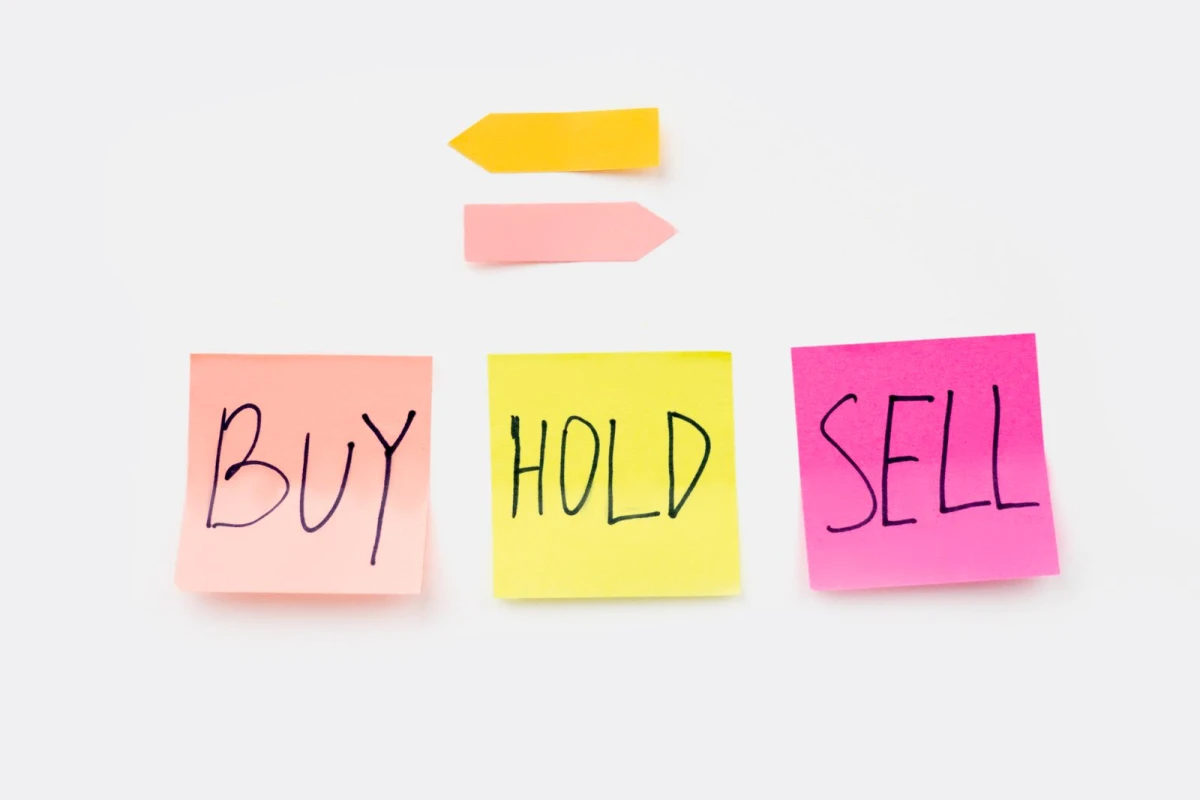
IPO mistakes often come from excitement
IPOs create urgency. There is a fixed application window, constant discussion and fear of missing out. This environment can push investors into weak decisions. The most common IPO mistakes are not technical; they are behavioral. Investors apply before understanding the business.
A disciplined investor treats the IPO window as a research period, not a pressure period.
Mistake 1: applying only because of hype
Hype can come from media, social platforms, friends, grey market discussion and subscription numbers. None of these replaces research. A highly discussed IPO can still be overpriced or risky. Investors should know the business, valuation and risks before applying.
| Mistake | Why it hurts | Better habit |
|---|---|---|
| Hype application | No research | Read offer details |
| Borrowed money | Pressure and interest | Use surplus only |
| Ignoring valuation | Overpaying risk | Compare peers |
| GMP chasing | Short-term mood | Focus on facts |
| Blind holding | No review | Track results |
| Panic selling | Emotional exit | Use plan |
| Multiple errors | Application rejection | Verify details |
Mistake 2: using borrowed money
Borrowing money for IPOs can be dangerous. Allotment is not guaranteed. Listing gain is not guaranteed. If the stock lists lower or money remains blocked temporarily, borrowed funds create pressure. IPO investing should be done only with surplus money that can accept risk.
Mistake 3: chasing grey market premium
Grey market premium discussions can influence sentiment, but they are unofficial and can change quickly. Investors should not use it as the main reason to apply. A strong GMP does not guarantee listing gain, and a weak GMP does not fully define long-term business quality.
Mistake 4: ignoring valuation
Many investors apply because the company is famous. Brand awareness does not automatically mean fair valuation. If expectations are already priced in, returns may disappoint. Read valuation, peer comparison, margins and growth assumptions.
Mistake 5: blind holding after allotment
Some investors hold IPO shares forever because they received allotment. Allotment is not a certificate of quality. After listing, the company should be reviewed like any other stock. If business performance weakens or valuation becomes excessive, the holding should be reassessed.
Mistake 6: no listing plan
Before applying, decide what to do if the stock lists up, flat or down. Without a plan, emotions decide. A written listing plan reduces confusion and prevents impulsive decisions.
IPO education websites can help users avoid mistakes with checklists, timelines and risk education pages. Such content systems can be developed through Indian Web Services services.
Mistake prevention checklist
- Avoid hype-only applications.
- Never use borrowed money.
- Read business and risks.
- Compare valuation.
- Do not depend only on GMP.
- Verify application details.
- Write listing plan.
- Review after listing.
Final lesson
IPO investing becomes safer when investors slow down. The best IPO habit is simple: research first, apply later.
Mistake 7: ignoring opportunity cost
Money blocked in IPO applications cannot be used elsewhere during that period. If an investor applies to many IPOs without research, cash may be tied up repeatedly. Opportunity cost matters, especially for people with limited capital.
Capital should be used where conviction and suitability are stronger, not where noise is louder.
Mistake 8: averaging after a weak listing without research
If an IPO lists below issue price, some investors buy more to reduce average price. This can be dangerous if valuation was high or business concerns exist. Averaging should happen only after fresh analysis, not because the investor wants to feel right.
The market does not owe recovery to the issue price.
Mistake 9: confusing brand familiarity with business quality
A familiar brand may attract many retail investors, but brand recognition alone does not make the IPO attractive. Profitability, valuation, debt, growth and governance still matter. Some well-known companies may come at valuations that already price in too much optimism.
Investors should respect brands but verify numbers.
Mistake 10: not learning from past IPOs
Every investor should review previous IPO decisions. Which applications worked? Which failed? Was the decision based on research or hype? Did you sell according to plan or panic? This review builds discipline for future issues.
| Past IPO result | Question to ask | Learning |
|---|---|---|
| Good listing gain | Was process good or luck? | Do not become overconfident |
| Weak listing | Did valuation warning exist? | Improve filter |
| No allotment | Did I chase later? | Avoid FOMO |
| Long-term underperformance | Did thesis break? | Review earlier |
| Application rejected | What detail failed? | Fix process |
| Panic decision | What emotion controlled me? | Write rules |
Mistake 11: ignoring cash needs
IPO money may be blocked during the process. If the investor needs money for bills, rent, business payments or emergencies, applying can create stress. IPO applications should use surplus funds only. Liquidity planning matters even before allotment.
Turn IPO investing into a process
A process includes screening, reading, valuation check, risk review, application verification, listing plan and post-listing review. Without process, IPO investing becomes gambling with better-looking documents. The investor should aim for repeatable discipline.
Mistake 12: ignoring position size after listing
If an IPO lists strongly, investors may buy more aggressively in the secondary market. This can make one newly listed stock too large in the portfolio. Position size should be controlled even when the story looks attractive. New companies can be volatile after listing.
A disciplined investor grows exposure gradually as public results confirm the thesis.
Mistake 13: not having a skip list
Investors should also maintain a skip list with reasons. For example: valuation too high, business unclear, too much debt, low cash flow quality or poor governance comfort. A skip list builds confidence because it shows that avoiding an IPO was also a decision.
The market rewards patience as much as action.
What's Your Reaction?
 Like
0
Like
0
 Dislike
0
Dislike
0
 Love
0
Love
0
 Funny
0
Funny
0
 Wow
0
Wow
0
 Sad
0
Sad
0
 Angry
0
Angry
0









Comments (0)