

iPhone Family Safety Guide: Safer Setup for Parents, Elders, Kids and Shared Use
An iPhone family safety guide covering simpler home screens, emergency contacts, payment protection, readability, app limits, scam awareness, backups and privacy boundaries.
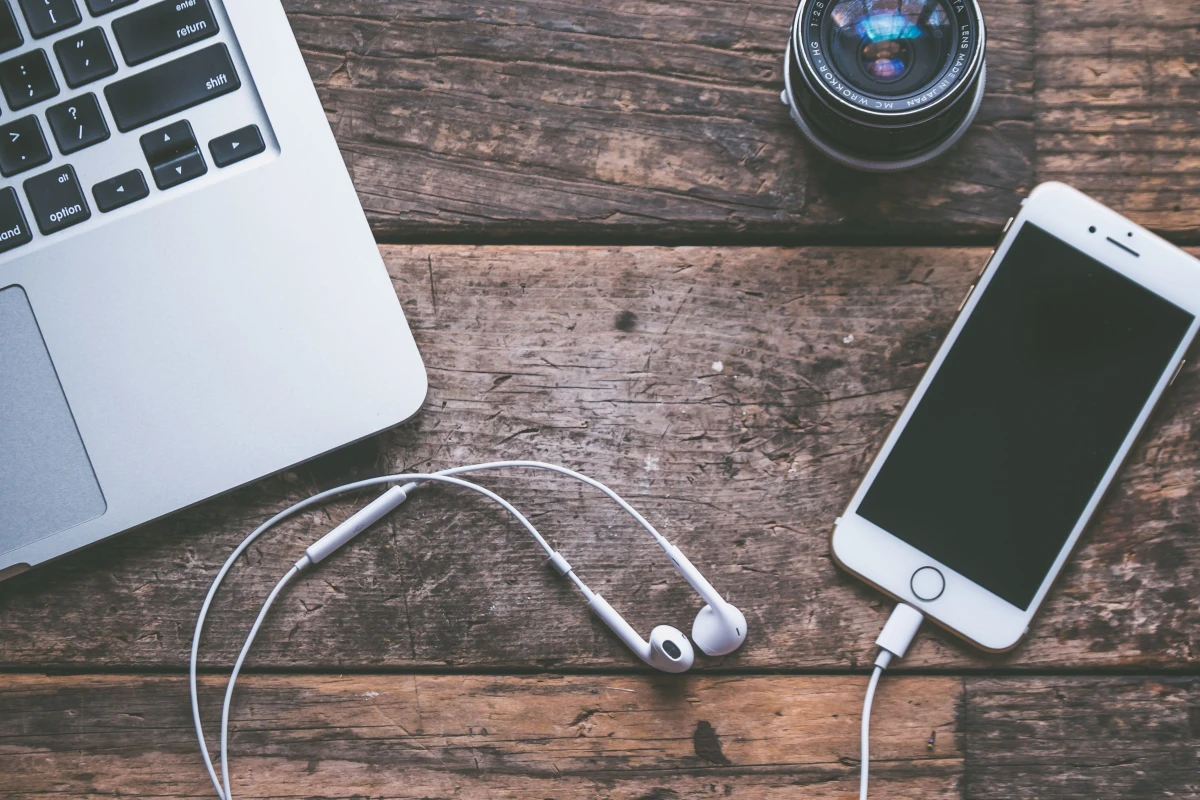
Many iPhones are used by parents, elders, kids or shared family members. A safer setup should make the phone easier to use, harder to misuse and better protected against accidental payments, scam calls, confusing popups and lost data.
Family iPhone safety should protect without embarrassing the user. Simple home screens, clear contacts, payment rules, readable text and backup habits make the phone easier and safer.
Simplify the home screen
Keep essential apps visible: Phone, Messages, WhatsApp, Camera, payment apps if needed and emergency contacts. Too many icons create confusion.
Improve readability and comfort
Text size, display zoom, ringtones and notification behavior should match the user’s comfort, especially for elders.
Protect payments and purchases
Payment apps, App Store purchases and subscriptions should be explained clearly. Family users should not approve unknown requests or refund calls.
Teach scam awareness
Family members should know that OTPs, Apple ID codes, UPI PINs and screen sharing should not be given to callers.
Prepare backup and support
Important contacts, photos and chats should be backed up. A trusted family member can help maintain updates and storage respectfully.
iPhone guide scorecard
| Guide area | Good sign | Warning sign |
|---|---|---|
| Simplicity | Essential apps easy to find | Home screen cluttered |
| Readability | Text and alerts comfortable | Tiny text creates mistakes |
| Payments | Rules explained | Requests approved blindly |
| Scams | Family knows red flags | OTP shared under pressure |
| Backup | Data protected | Photos and contacts at risk |
Clean action checklist
- Simplify home screen.
- Increase text size if needed.
- Set emergency contacts.
- Explain payment app rules.
- Turn off unnecessary notifications.
- Review App Store purchases.
- Teach OTP and scam safety.
- Back up contacts and photos.
- Review storage monthly.
- Respect privacy while helping.
Why this guide matters
- This guide is useful because family phone issues are common but often ignored until a mistake happens.
- Elder support should be respectful, not controlling.
- Kids need boundaries around purchases, screen time and unknown links.
- Payment and scam awareness should be explained with simple real-life examples.
- The final verdict should make the iPhone easier, safer and less stressful.
Real-world guide flow
- Start by identifying the exact user problem before changing settings, deleting data or resetting the phone.
- Use built-in iPhone settings, iCloud, Find My and trusted official apps before trying extra tools.
- Protect photos, chats, payment apps and account access before cleanup, transfer, reset or repair decisions.
- Check recent changes such as iOS updates, new apps, low storage, chargers, travel, scam calls or permission prompts.
- Finish with one safe result the reader can verify immediately on the iPhone.
Detailed owner checklist
- Use this iphone family safety guide on the actual iPhone because habits, iCloud settings and Apple ID access change the result.
- Write down what changed before the issue appeared: new app, update, charger, trip, storage warning, payment message or support call.
- Avoid suspicious links, fake support numbers, risky repair tricks, unknown configuration profiles and unofficial app downloads.
- Back up important data before deleting files, removing apps, resetting settings, changing accounts or transferring phones.
- Check whether the phone is used for banking, business, family support or student work before making any risky change.
- Use Apple ID recovery, Find My, iCloud and privacy settings responsibly without trying bypass methods.
- Escalate to bank support, Apple support, carrier support or trusted service help when money, data or device safety is involved.
- Keep the final advice practical enough for parents, students, business owners and normal iPhone users.
Expanded iPhone impact checks
- Place emergency contacts where the user can find them quickly without searching through many apps.
- Increase text size and display comfort before teaching advanced features.
- Keep payment apps secure but do not make daily use so difficult that elders avoid legitimate payments.
- Explain UPI collect requests, refund calls and Apple ID code scams using simple family examples.
- Use Screen Time or purchase controls for kids without turning the phone into a punishment tool.
- Review notification noise because too many alerts hide important calls and messages.
- Back up photos and contacts before changing accounts or replacing the phone.
- Respect privacy by helping with settings, not reading personal chats unnecessarily.
- Review the setup monthly because real usage reveals what is helpful or annoying.
- Create one trusted-help rule so family members know who to ask before approving risky requests.
Final publishing checks
- No jailbreak, activation-lock bypass, spyware, stolen-device, risky repair or unsafe financial instruction is included.
- The topic solves a real iPhone pain point instead of becoming a generic settings overview.
- The article is useful for search because it answers a specific problem with safe steps.
- The article can later be internally linked from Android, Windows, troubleshooting, privacy and beginner guide pages.
- The conclusion avoids live app rankings, current offers and brand-specific repair promises.
Business content note
Family service, education and support brands can publish safer-device guides with Indian Web Services services.
Final verdict
This iPhone family safety guide creates useful impact by making phones safer for parents, elders, kids and shared-device users without making them feel controlled.
Final reader-fit checks
- Review iPhone Family Safety Guide: Safer Setup for Parents, Elders, Kids and Shared Use with a real iPhone user scenario before import.
- Keep the guide focused on one problem, one safe diagnosis path and one practical result.
Final import-ready completion
- Check whether the family member can actually use the safer setup without feeling restricted or embarrassed.
- Keep emergency contacts, medicines, transport apps and payment rules simple enough to use during stress.
- Review the phone together after a month because real usage reveals which settings are helpful and which are annoying.
What's Your Reaction?
 Like
0
Like
0
 Dislike
0
Dislike
0
 Love
0
Love
0
 Funny
0
Funny
0
 Wow
0
Wow
0
 Sad
0
Sad
0
 Angry
0
Angry
0








Comments (0)